24 Jun
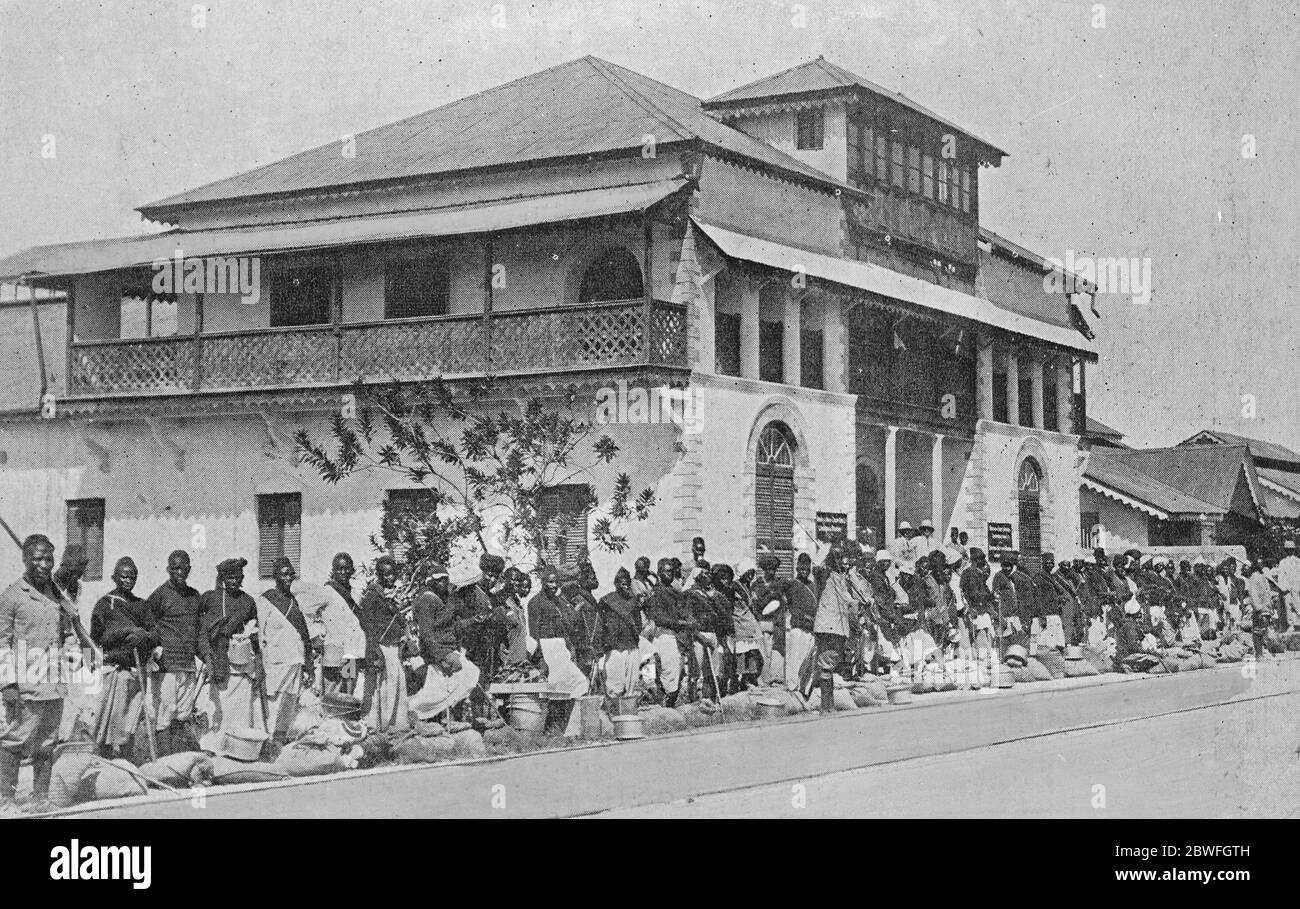
Before there was a Law Society, before there was an Advocates Act, there was a court official in Mombasa quietly deciding who got to argue a case and who didn’t.
In 1897, a British court opened its doors in Mombasa. There was no bar exam. No Law Society. No CPD points to chase. If you wanted to argue a case, you needed one thing: a practising certificate, and the person who decided whether you got one was the senior judge of the High Court, acting almost entirely on personal discretion.
That single fact says more about where the Kenyan legal profession came from than most law school lectures ever do. It wasn’t born from a constitution or a founding charter. It was improvised, court by court, certificate by certificate, by a colonial administration that needed legal infrastructure faster than it could build proper institutions for it.
The vakeels: Kenya’s forgotten first advocates
Here is the detail that tends to surprise even practising advocates: for the first decade of formal legal practice in British East Africa, you didn’t need a law degree from London or a Bar qualification to argue in court. Among those granted early practising rights were “native vakeels”, local persons recognised by the courts as knowledgeable in basic court procedure, despite holding no formal legal qualification at all.
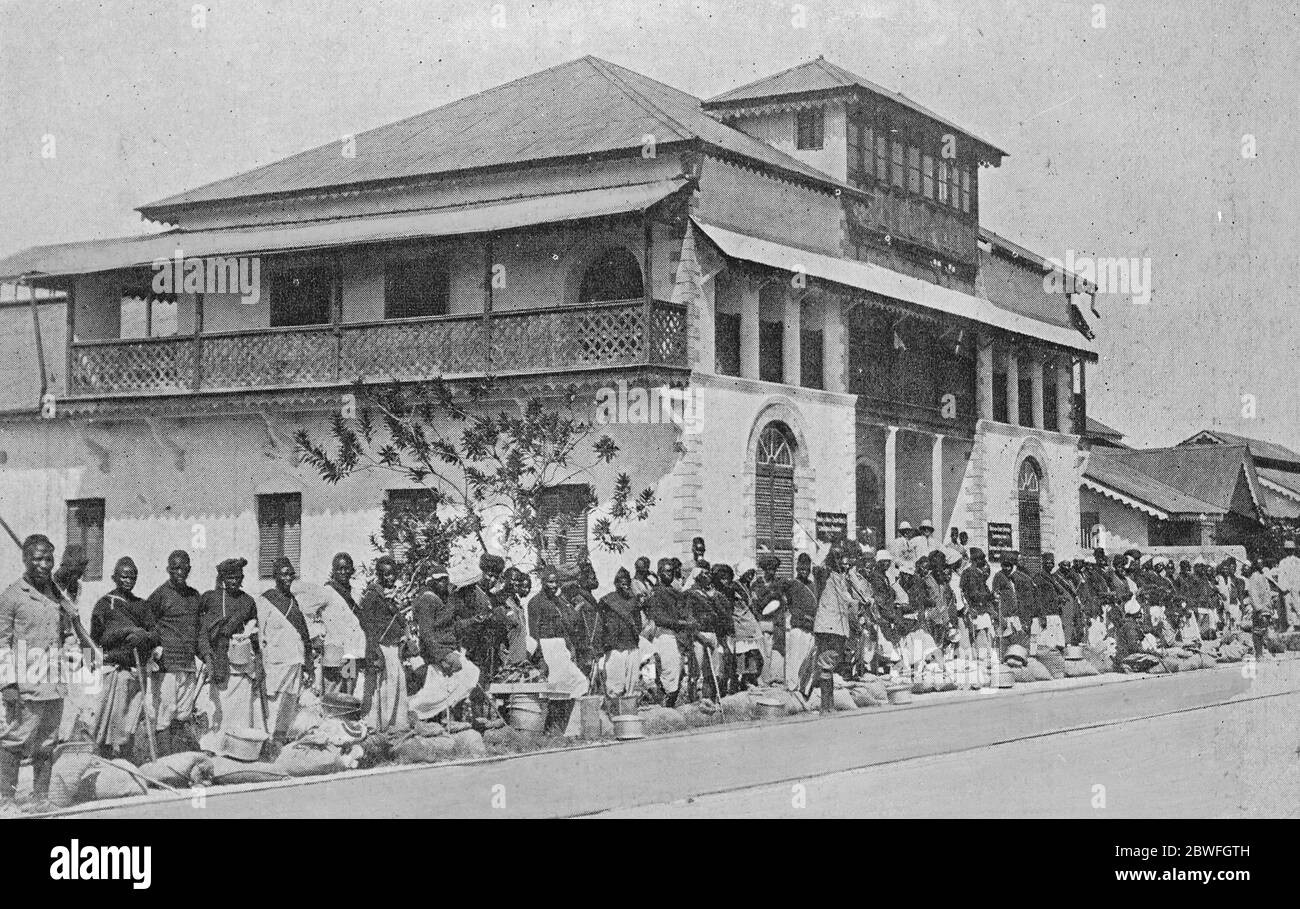
The vakeels operated alongside English, Scottish, and Irish barristers and solicitors, and pleaders admitted from the High Courts of India, a reflection of the colony’s deep administrative and commercial ties to British India in this period. It was a strikingly pluralistic bar for its time: an improvised coalition of English-trained lawyers, Indian-trained pleaders, and locally recognised practitioners, all operating under rules drafted in 1901 and 1899 respectively.
That openness didn’t last. By 1911, non-lawyers were formally forbidden from practising in Kenya; the same year, the right to practise was extended to lawyers from across the Commonwealth. The profession was narrowing, professionalising, and consolidating its boundaries even as the colony itself was still being built.
One person, two jobs: why “advocate” means what it means
Ask a lawyer in London the difference between a barrister and a solicitor, and you’ll get a confident, immediate answer. Ask the same question of Kenya’s earliest legal practitioners, and the honest answer was: there wasn’t one.
The profession in colonial Kenya was fused from the very beginning; a single practitioner, called an advocate, performed the combined duties of a barrister and a solicitor. This wasn’t a philosophical choice. It was arithmetic. There simply weren’t enough lawyers in the territory to sustain two separate professional tracks. The fusion that defines the modern Kenyan advocate is one person, court advocacy and client advisory work, both exists because of a 1900s lawyer shortage, not a deliberate design principle.
The very word “advocate” on every Kenyan practising certificate today is, quietly, a relic of an early-century staffing problem.
1920: the year the profession organised itself
For nearly two decades, discipline and oversight of advocates sat entirely with the High Court; there was no independent professional body, no peer governance, no Council. That changed in 1920, with the founding of what would eventually become the Law Society of Kenya. The early LSK operated in a markedly different register than the institution that exists today: as a body shaped by, and largely accountable to, a colonial legal establishment, it would take decades and Kenya’s own path to independence and democratisation — before LSK’s character shifted toward the public-interest, advocacy-forward institution recognisable today.
The Advocates Ordinance of 1949 formally cemented the fusion of barrister and solicitor roles into the modern advocate role, codifying in law what had been an operational necessity for half a century.
Why this history matters to a firm running on cloud software in 2026
It would be easy to file this away as historical trivia. But the throughline from 1901 to today is direct, and worth sitting with for a moment.
Kenya’s legal profession has always been an adaptive infrastructure built and rebuilt in response to practical constraints, not abstract ideals. The vakeel system existed because the colony needed more legal capacity than it had formally trained lawyers. The fusion of advocate roles existed because the market couldn’t support specialisation. The 1920 founding of the LSK existed because an unaccountable, court-administered disciplinary system was no longer tenable.
Every structural shift in this profession’s 125-year history has been a response to a capacity problem. Today’s capacity problem looks different; it isn’t a shortage of qualified advocates, but a shortage of systems sophisticated enough to let those advocates work at the speed modern clients expect. Firms still running client files through email threads and paper diaries are, in a real sense, still operating on 1949 infrastructure with 2026 caseloads.
The profession has reinvented its own machinery before, every single time the old machinery stopped being adequate. That historical pattern is, if anything, a quiet case for taking practice modernisation seriously now, not as a trend to watch, but as the next entry in a very long Kenyan legal tradition of practical reinvention.
Every generation of Kenyan advocates has had to rebuild the infrastructure of practice from scratch. This generation has better tools. Smart Legal Africa is built for the modern counsel → smartlegal.africa